 📜 History & Heritage
In this article
2/6/2026
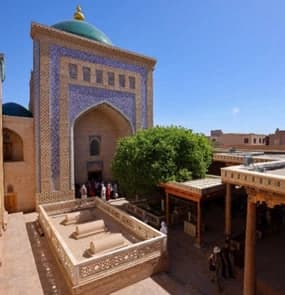
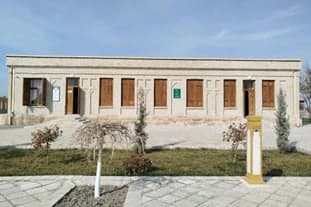
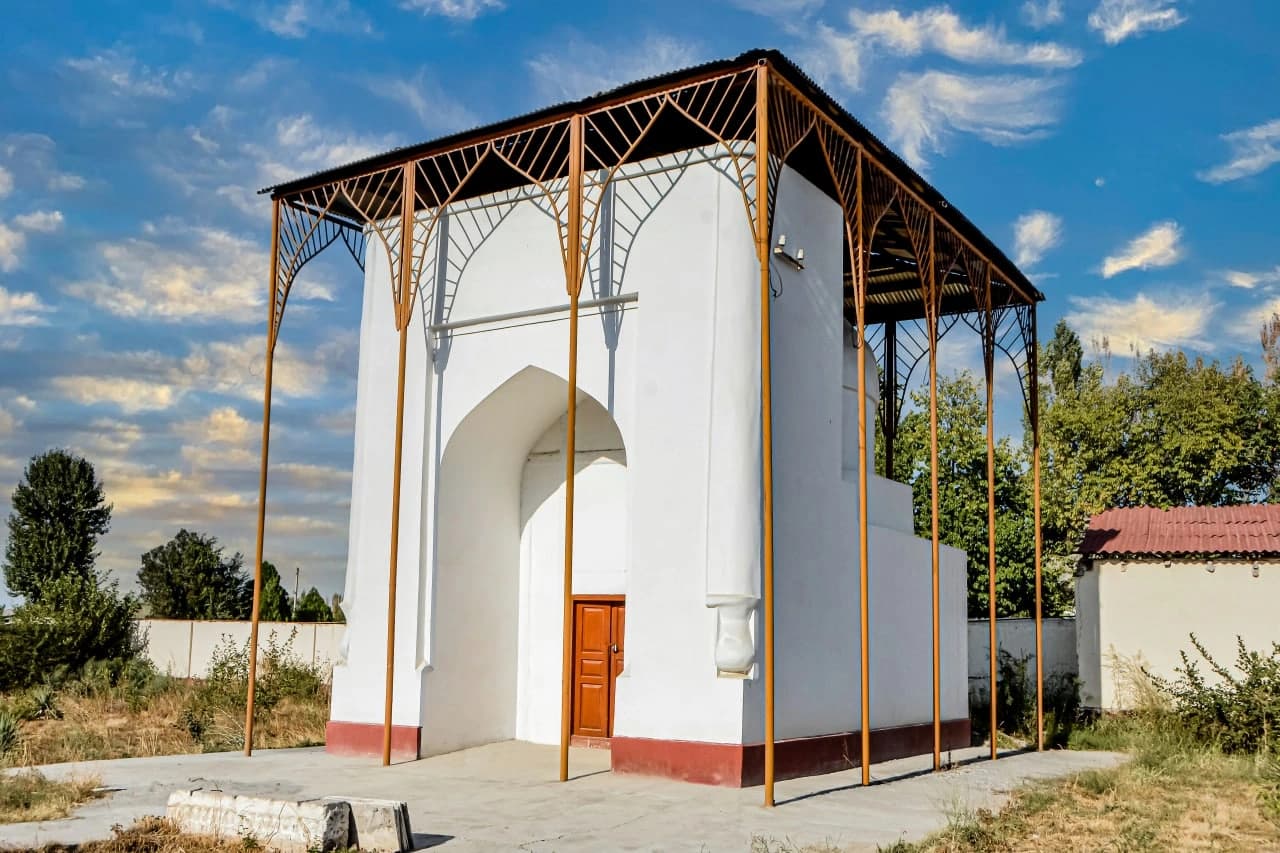
The Khoja Ma’oz Mausoleum in Margilan was built in the first half of the 18th century and is one of the finest examples of the local architectural school. The mausoleum was constructed of baked bricks and has been well preserved to this day.
The building has a rectangular shape (6.4 × 7.4 m) and forms a single monolithic composition with a portal facing east. The dome, with a diameter of 4.4 meters, rests on a drum whose lower part is faceted and the upper part cylindrical.
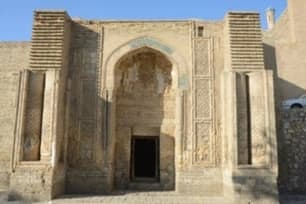
The facade of the mausoleum is made of ganch tiles and divided into smooth rectangular panels with borders decorated with floral patterns. Although some decorations have been damaged over time, certain fragments have survived.
The interior also has a unique design: an octagonal chamber with lancet niches harmoniously combined with the external rectangular structure. This rare composition is considered an uncommon example of medieval memorial architecture.
The purity of forms, proportional harmony, and delicate decorative elements place this mausoleum among the most important historical and architectural monuments of Margilan. According to legend, the mausoleum is associated with the great Islamic figure and companion of Prophet Muhammad (peace be upon him), Khoja Ma’oz ibn Jabal.